
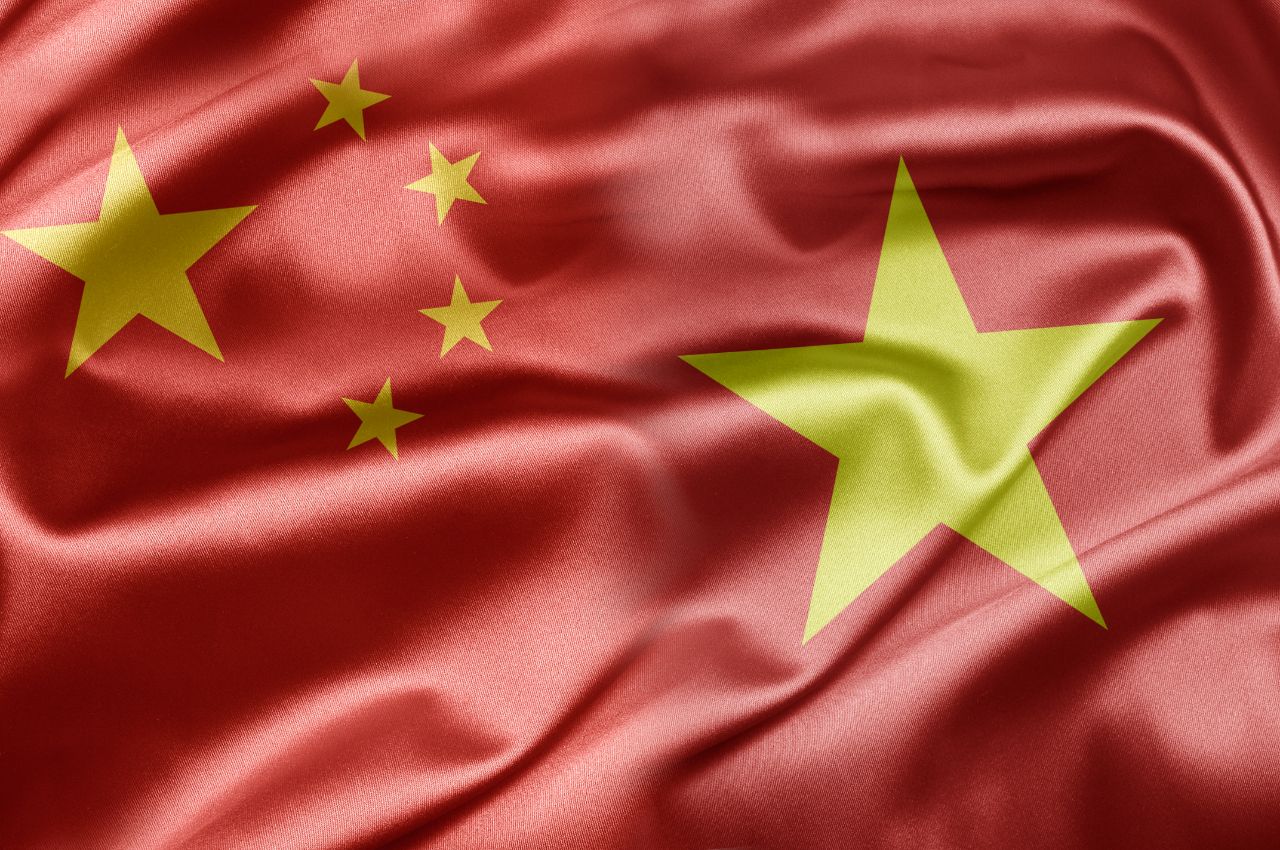
Three Netto Invest advisers on our investment committee recently visited the Far East to broaden our understanding into the opportunities and potential risks of investing there. Here are some of our insights and opinions after pondering the experience.

China’s scale and economic transformation
It’s impossible to overstate the immense scale of China. The country is home to approximately 1.4 billion people and has undergone a dramatic economic and social transformation during the past 50 years.
In 1978, China was largely a socialist state under strict government control but it has since opened its doors to foreign investment and embraced a hybrid economy. Today, Chinese consumers and private enterprises coexist alongside state-owned entities (SOEs), and this shift has spurred significant industrial development and urbanisation.
From our observations, it seems clear that China’s consumer base is more powerful than ever. There are now approximately 150 million wealthy Chinese individuals – these are people with the financial capacity to travel overseas and who have a healthy disposable income with which to consume goods and services.
Given this vast and growing middle class, it’s not surprising that the country’s markets focus heavily on internal demand, lessening their reliance on external markets. This is one of China’s greatest strengths and a testament to the potential opportunities there for investors.
Exploring major southeast asian cities and their unique economies
Our journey took us through two countries: Singapore and China. Within China we visited Macau and Hong Kong, two “special administrative regions” each with their own unique characteristics, as well as cities in mainland China itself.
Singapore was our first stop, an island that left us with the indelible impression of a strong sense of pride and civic duty. The government has maintained political continuity since 1958 and develops long-term plans for the city-state, fostering a stable, if highly structured, environment for its people and businesses.
Next, we visited Macau – a hub for gambling, which is very popular in the region, but illegal in mainland China (hence the industry’s confinement within a “special administrative region”).
The “one country, two systems” policy allows Macau autonomy, especially in its economic and administrative spheres. Macau attracts high-spending tourists from China’s mainland, which boosts its hospitality and entertainment sectors. The technology oversight presence in Macau was evident, with thousands of cameras and a staggering quantity of data being monitored – a reminder of the sophisticated infrastructure behind these highly controlled environments.
Hong Kong, another “one country, two systems” region, known for its towering high-rise buildings and bustling business landscape, presented itself as the major financial gateway into China. This strategic financial position aligns with Hong Kong’s investment-friendly environment, making it an attractive point for accessing mainland opportunities.
Our brief stay in Shenzhen was eye-opening. Once a small fishing village, this city is now known as “China’s Silicon Valley”. It is teeming with technology companies and boasts an innovative spirit.
Finally, we spent a few days in Beijing, which is a city marked by a blend of historic preservation and rapid modernisation. It was surprisingly clean, thanks to massive efforts in the lead up to the 2008 Beijing Olympics, with abundant green spaces and running paths. However, the ever-present camera surveillance once again reminded us of the state’s strong control over private individuals in public spaces.
Emerging business sectors and technological innovations
During our visit we were given access to various companies, which allowed us insight into emerging business sectors. For example, China’s push towards sports and wellness is fuelling demand for local sportswear brands, on display in the country’s numerous running tracks and organised marathons. There were nearly 700 marathons organised last year, again giving one a sense of the scale of the country and its population.
We also visited BYD, a standout car manufacturer known for producing affordable, high-quality electric vehicles. Starting as a battery producer in 1995, BYD now leads China’s Electric Vehicle (EV) market and is expanding internationally. It was clear to us that Chinese automotive companies are advancing rapidly, with quality levels reaching global standards.
We even had a chance to experience a ride in a driverless car from PONY.ai, which was a remarkable example of cutting-edge autonomous vehicle technology.
The logistics industry is also a force in China. The integration of robotics and automation in warehouses is incredible, with motorised robots moving efficiently to streamline the packing and shipping processes. This emphasis on efficiency and scale could indicate future opportunities in the logistics sector.
Reflections on China’s approach to innovation and control
One of the most surprising observations was China’s clean and efficient cities, attributed largely to the adoption of electric scooters, buses, and cars. There’s also a clear focus on self-sufficiency and innovation; Chinese companies are developing new technologies and filing patents to reduce reliance on foreign designs. This proactive approach to innovation bodes well for potential investors, especially as China’s stock market currently trades at a substantial discount compared to other global markets.
However, it’s crucial to weigh these opportunities against the potential risks. Government control is pervasive, with restrictions on foreign ownership and sensitive sectors tightly managed. It was evident that China’s rapid progress is partly due to its centralised planning, which enables large-scale projects to be implemented with impressive speed and efficiency. At the same time, there is an underlying sense of control and surveillance that can feel intrusive if you are used to life in a country styled on a Western model of democracy, individualism and human rights.
Final thoughts and appreciation for home
While I was thoroughly impressed by China’s capabilities and economic ambition, my visit also deepened my appreciation for South Africa. We have freedoms here that we should defend and not take for granted – freedom of speech, a democratic political system, and open access to information. In contrast, China’s environment is highly regulated, with limited freedom of expression in particular.
As South Africa faces its own challenges, I feel fortunate to be part of a country where people can voice their opinions, enjoy diverse natural spaces, and live with a sense of individuality that is hard to find elsewhere. The takeaway from our visit to China is clear: tremendous investment potential exists, but we must proceed with careful consideration of the political and social dynamics that underpin this unique market.

By Cameron McCallum, CFP® CA(SA)
