
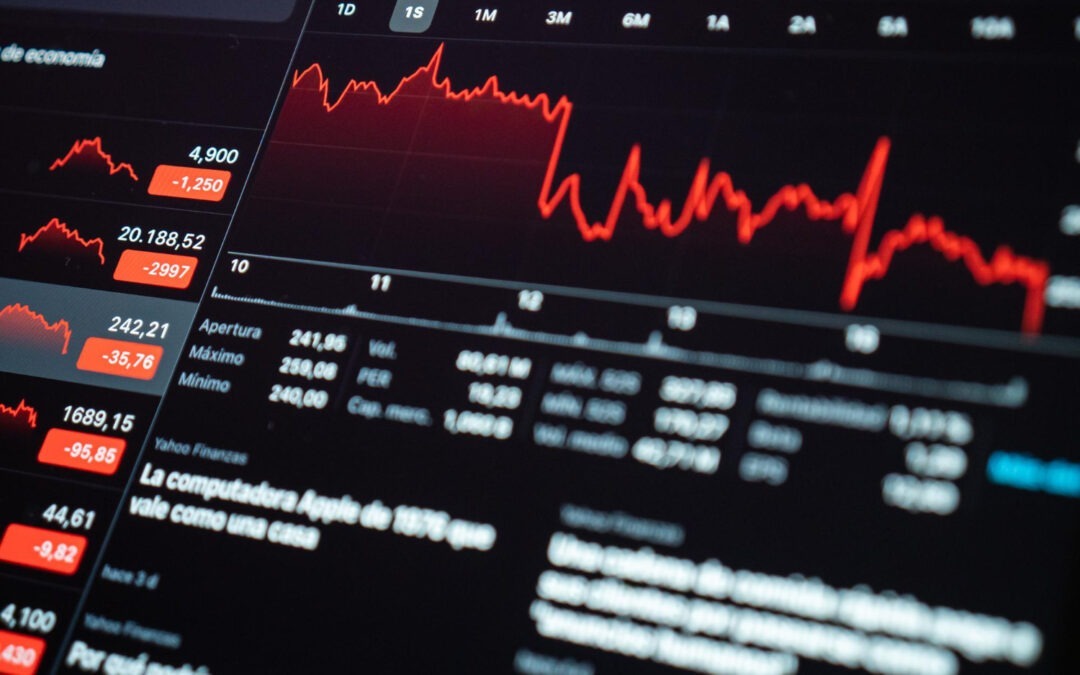
Even if you are an eternal optimist and confirmed “market bull” the behaviour of global investment markets in recent years has been challenging. We find ourselves in transition from a decades-long globalisation trend to one that could be more protectionist, with all the attendant ramifications of that.
The question is, how can you plan amongst all this change and volatility?
Perhaps it’s best to start with a benchmark of sorts, because in essence volatility is about expectations: we compare what actually happened in the markets with what we expected would happen.
Now, what determines your expectations?
Personal expectations will be based on your previous insights into market events, your past experience with investment performance and possibly, what you have been told to expect.
Here’s a quick example: the Global Financial Crisis of 2008
What if your first exposure to markets and financial planning was in 2010 just following the Global Financial Crisis (“GFC”)? You would have watched open-mouthed as the European debt crisis played out. Financial exchange movements around the world oscillated daily from +5% to -5% and with that as an introduction you would be well aware that financial markets can move unexpectedly in both positive and negative directions.
And now what about this for a possibility…
… you had just become aware of the effects and movements of financial markets at the beginning of 2020 and then COVID-19 happened.
Hang onto your hat — because markets around the world dropped by around 30% in just 8 weeks. And then in no particular order, inflation hit 40-year highs, interest rates went to zero % and have now been hiked at their fastest pace in history (in the USA), and oil prices were negative and are now back to $80.
The point being that experience + understanding determine expectations
If someone had only been invested since 2020, the past three years would be all they know. So, unless they loved their history books, they might think that what “old hands” consider to be extreme volatility is just … business as usual.
How do we manage volatility (and expectations) going forward?
At Netto Invest, we’re always quick to point out that there is no crystal ball that shows the future, and that past happenings don’t necessarily predict future happenings.
The factors that have led to recent market volatility still exist, but what has changed in recent years is the speed at which we can access information, and how quickly we are able to issue a buy or sell instruction based on it.
Negative volatility is integral to a market connecting willing buyers and sellers
And as such negative volatility also creates opportunity – if we keep our heads – because other people may lose theirs and over-react.
The critical aspect to investing successfully over the long term (which inevitably encompasses both calm or volatile seasons) is to surround yourself with a team of individuals who have cool heads.
In volatile times or calm, making the right decision is easier when you have external, objective advice.
A professional CERTIFIED FINANCIAL PLANNER® professional at Netto Invest will take the time to understand your goals and objectives and has the experience to link those goals to investment funds that target your objectives, all while keeping your investment portfolio diversified.
Let’s talk soon!

By Gareth Leonard, CFP® CA(SA)
