
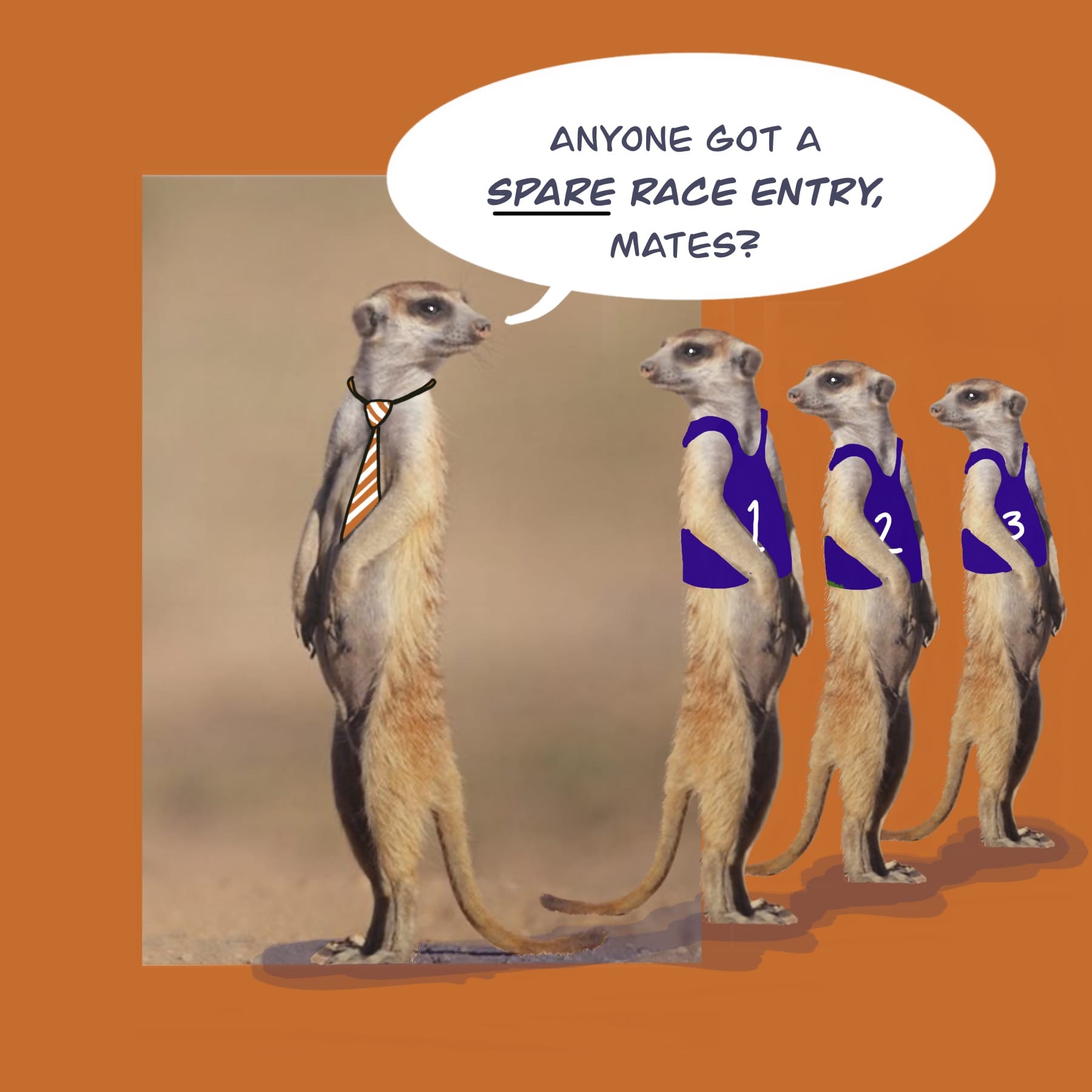


Do you or any of your family or friends ever enter running or cycle races? If so, this Meerkat Tip is right on topic for you!
Here are the details:
“I encountered a fraudulent scheme while attempting to purchase an entry for last year’s Knysna Forest Marathon.
After missing the official entry cut-off, I searched on Facebook Marketplace and came across someone who claimed to have an entry for sale at a reasonable price. Her profile seemed legitimate – a profile of a woman in her 30’s with hundreds of friends – and she communicated in a friendly and efficient manner.
After discussing the purchase with her via Facebook Marketplace messages, I agreed to buy the ticket and proceeded to make payment into her bank account. However, shortly after the transaction, I received no further communication from her. Upon checking my messages, I noticed that our entire conversation had disappeared, and when I attempted to go back to her Facebook profile, it had also vanished.
Later, I saw a post on the Knysna Forest Marathon organisers’ Facebook page warning of a fraudulent profile that had scammed multiple people in a similar manner. It was the same profile that had scammed me. I found out that the scammer had cloned an existing Facebook account, which is what made the seller profile look so genuine.”
You may notice a common thread running through recent fraud stories.
That thread is Facebook… the platform is widely used in South Africa and its many functions make it easy for fraudsters to get eyeballs onto their “offerings”. Always be wary when transacting via social media!
So, what do we call today’s type of fraud story?
This particular scheme is an example of social engineering with impersonation.
- It uses your social media presence and network, leveraging Facebook Marketplace’s person-to-person selling functionality to offer you something that you want
- The cloned profile is the final touch to establish a seller persona that feels familiar enough to be relatable and trustworthy.
How does such a scheme work, and why?
Targeting people who are looking for a race entry is pretty niche, so this one was sneaky and specific! Clearly there are those in our midst who are prepared to make a dishonest buck out of their fellow athletes, which is rather disheartening 😖.
Once you get into the details though, the structure of the scheme is familiar:
- A desirable “product” (a race entry that you can no longer get via official channels).
- A reasonable price point (a few hundred rand per entry, worth a bit of legwork).
- A credible seller (in this case, the cloned profile of a real person, probably a runner).
What do they want?
The goal here is simply to steal your money by taking payment for a non-existent race entry that they will never deliver.
What do you do once the scam comes to light?
First up, be kind enough to alert the race organisers and any of your friends network who may also be looking for an entry – perhaps you can prevent them from being scammed, too.
For you, it’s a straight-up loss – there’s nothing you can do to get your money back. Once the fraudulent / cloned profile is gone, you don’t even have anything to report to Facebook (and by all accounts they don’t take any action, anyway).
The only good thing about this situation is that it doesn’t leave you at risk of further losses, as long as you haven’t disclosed any personal or bank details to the fraudster.
How to avoid being “had” in the future:
⏰ Set your alarm and get onto the official race website as soon as entries open.
🏃🏽♂️If you miss the cut-off, put the word out for an entry via your running club / community or close buddies, rather than on social media platforms.
🏫 If all else fails and you are prepared to risk using social media to source something, arrange to make payment in person and meet the seller in a public place in daylight to collect the entry printout.

0 Comments