
Meerkat Alert

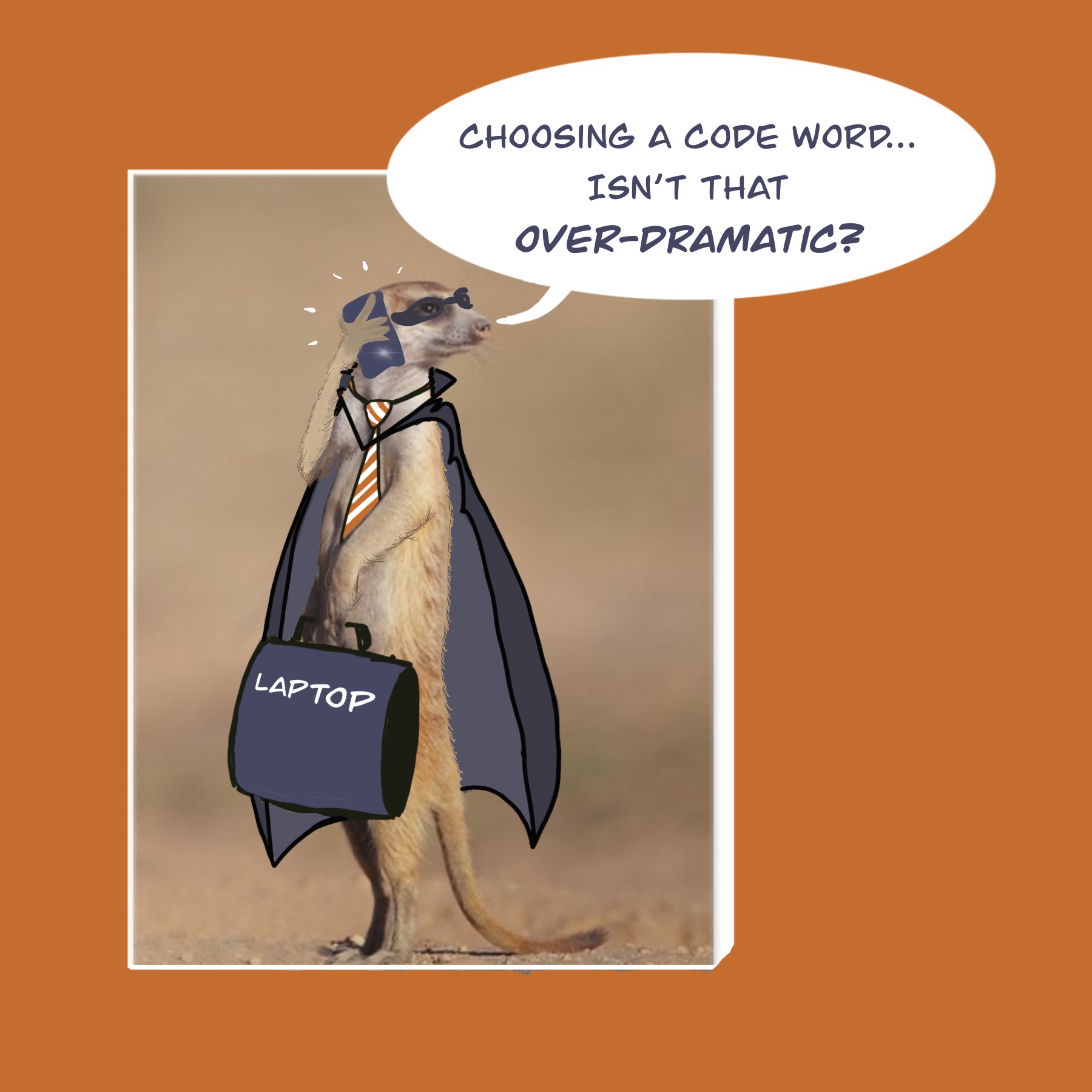
Choosing code words – Yes, it sounds so cloak & dagger

None of us wants to be accused of being over-dramatic, do we? At the same time, audio and video technology has become increasingly sophisticated and accessible. Artificial intelligence has also advanced to the point where scammers can clone voices with remarkable accuracy.

This leads to the real possibility of fraudsters using a voice clone to impersonate one of your family members. A favoured modus operandi is to call and (you guessed it!) request immediate help of the financial variety, to get the supposed family member out of a tight spot.

In a darker and more horrifying version of this scenario, the scammers could even claim to have kidnapped your family member. They then play the cloned voice in the background seemingly yelling for help, to add credibility to the kidnapping claim.

So, how do you steer clear of scams involving voice cloning?

First up, stay calm and plan ahead. Planning the exact steps you will take should you receive such a distressing call helps you stay in control.

Your planning process starts with talking about it with your family so that you are all aware and agreed on what to do. Then you choose a code word, known only to family members, so that you can identify when you are speaking to a chatty voice clone rather than a human being.

Tips for choosing an appropriate code word:

  • Avoid common emergency words such as “Danger!” or “Help!”, or the names of family pets.
  • Instead, opting for an unusual, memorable noun is a good choice especially one that isn’t common in daily use. Here are three random possibilities that sprang to mind: sniffle, archway, palm nut.
  • Keep the word confidential, just like you would a bank password. If you ever have to share it outside the family, change it immediately afterwards.

Next, imagine the scenario.

If you ever receive a high stress call demanding monetary assistance for any reason, you can execute these exact steps:
  • STEP 1: Your phone rings (and when you answer, it appears to be a panicked, familiar family member requiring urgent financial assistance).
  • STEP 2: Interrupt the agitated caller politely, saying, “What is our family’s secret word?” If they give it correctly, it’s a legitimate crisis, and you should respond appropriately. If they hesitate, give the wrong word, or become angry, end the call immediately.
  • STEP 3: Call the appropriate family member, using the phone number saved on your device, to verify that they are safe and not in fact in need of your help.

Some routine practices to help reduce your chances of being scammed:

  • Set your social media profiles to private to reduce the likelihood of potential scammers harvesting audio and video samples from anything you share.
  • Don’t make instant EFT payments until you have independently verified the need for speed. Scammers use artificial urgency to make you panic and override your natural caution.
  • Refuse to use alternative payment methods such as crypto or gift cards in ’emergency’ situations. Legitimate service providers are unconcerned about remaining anonymous; they have no reason to fear you following the trail of a transaction after the fact.

0 Comments

Submit a Comment

Your email address will not be published. Required fields are marked *

Other Alerts

SARS texts – how to spot a counterfeit

Tax season 2026 opened on 1 July, so we are focusing on one important thing: how to outwit the fraudsters who impersonate SARS to try and relieve you of your precious financial resources. To wise up before this happens, let's use counterfeit bank note training as a...

Interaction “hooks” and how to avoid them

Here's a fresh episode of "Real Bank Scams of South Africa" to help you sharpen your analytical skills, because you’re wise enough to realise that it’s not a matter of IF  you’ll ever receive a fake message, but more a matter of WHEN. While the wording of fake...

Red Flags to Watch Out for

📲 Ah, smart phones! Super-convenient, right? Instant access to information, easy contact with your loved ones right across the globe and the added convenience of paying your bills without signing cheques or licking stamps while sitting at a desk. At this point your...

Spoofing and App Shenanigans

Back in the day, a spoof was a device used to entertain us in a humorous and/or satirised way. A bit of harmless fun, something to laugh at before moving on. Recently though, "spoofing" has taken on an additional and more sinister meaning. Here's what's currently...

Tax Season Trickery

It's Tax Season here in South Africa, so you are on the lookout for important and time-sensitive emails from your taxation service provider, and also from the South African Revenue Service (SARS). Stay on high alert for the fraudsters as well, because they are busy...

Same tip on repeat

Do you ever feel worn-down by the relentless fraud attempts? Given the pace of them, it would be understandable if you feel that eventually a scammer will catch you off-guard. This Meerkat Alert is rather disconcerting as it indicates just how deeply corruption and...

Investment Diversion Scam

This cyber-fraud story was reported in the local newspapers and it's a real nail-biter. A fellow Capetonian sold his business and retired. At 78 years old, after two decades of hard work, he suddenly had R10.6 million on hand and he developed an investment plan with...

Property Rental Scam Case Study

Anywhere that money changes hands, scammers will watch out for an opportunity. When there is a scarce supply, a sense of urgency makes it even easier for criminals to target you. Estate agents are reporting increasing levels of fraudulent impersonation, specifically...

Race Entry Case Study

Do you or any of your family or friends ever enter running or cycle races? If so, this Meerkat Tip is right on topic for you! Here are the details: "I encountered a fraudulent scheme while attempting to purchase an entry for last year's Knysna Forest Marathon.   After...

Facebook Ad Fraud Case Study

Valentine's Day has come and gone, but gift-purchasing happens year-round. As a result, this experience of a Netto Invest contact who got scammed buying a gift for her husband could easily happen to any of us. Here is the case study story, straight from the horse's...

Notify